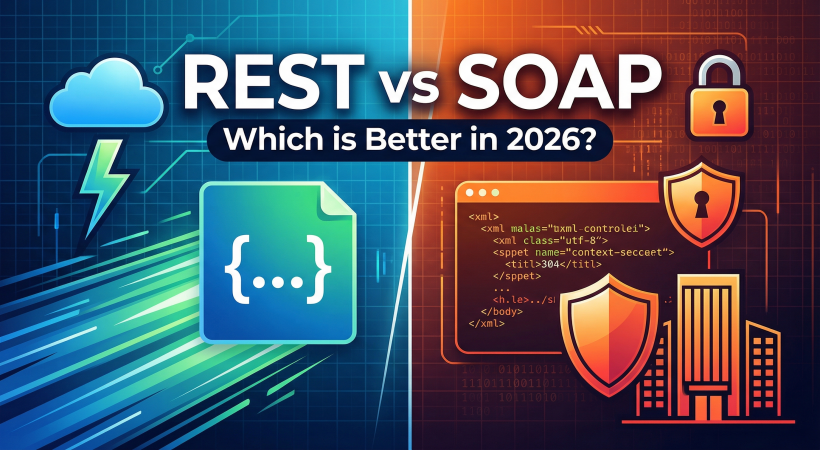
REST API vs SOAP: Which One Should You Use in 2026?
REST API vs SOAP: Which One Should You Use in 2026? (Complete Guide)
Focus Keywords: REST API vs SOAP, REST API benefits, SOAP API explained, API integration Nepal, REST vs SOAP difference, best API for developers
APIs are the backbone of modern digital systems in 2026. From mobile apps and SaaS platforms to recharge systems and gaming top-ups, APIs enable seamless communication between services.
One of the most common questions developers and businesses ask is:
REST API vs SOAP — which one should you choose?
This guide explains the difference, use cases, and the best choice for modern development and API integration in Nepal.
> What is REST API?
A REST API (Representational State Transfer) is a lightweight and flexible architecture that uses standard HTTP methods to communicate between systems.
- Key Features of REST API:
1. Uses JSON format, which is fast and lightweight
2. Supports HTTP methods like GET, POST, PUT, DELETE
3. Easy to integrate with web and mobile applications
4. Highly scalable and flexible
REST APIs are widely used in modern systems such as SaaS platforms, mobile apps, and digital service platforms.
> What is SOAP API?
A SOAP API (Simple Object Access Protocol) is a protocol-based system that uses XML messaging and focuses on security and reliability.
- Key Features of SOAP API:
1. Uses XML format, which is strict and structured
2. Built-in security standards like WS-Security
3. Works across multiple protocols including HTTP and SMTP
4. Strong error handling and reliability
SOAP APIs are commonly used in enterprise environments such as banking, government systems, and legacy infrastructure.
> REST API vs SOAP: Key Differences
| Feature | REST API | SOAP API |
|---|---|---|
| Data Format | JSON (lightweight) | XML (heavy) |
| Speed | Fast | Slower |
| Flexibility | High | Strict |
| Security | Custom (OAuth, HTTPS) | Built-in (WS-Security) |
| Scalability | Excellent | Limited |
| Ease of Use | Beginner-friendly | Complex |
| Best Use Case | Web, mobile, startups | Enterprise systems |
> Why REST API is the Best Choice in 2026
1. Faster Performance
REST APIs use JSON, which reduces payload size and improves speed.
2. Ideal for Modern Developmen
Frameworks like React, Next.js, and mobile applications are designed to work efficiently with REST APIs.
3. Easy Integration
REST APIs are simple to implement, making them ideal for developers and startups.
4. Scalable Architecture
REST supports high traffic and scalability, which is essential for growing businesses.
Platforms like API Nepal use REST APIs to power services such as digital product delivery, gaming top-ups, and recharge automation.
> When Should You Use SOAP API?
SOAP APIs are still relevant in specific scenarios:
• When high-level security is required, such as in banking systems
• When working with legacy or enterprise infrastructure
• When strict compliance and protocol standards are necessary
> REST API vs SOAP: Which One Should You Choose?
- Choose REST API if:
• You are building modern web or mobile applications
• You need fast performance and scalability
• You want easy and flexible integration
- Choose SOAP API if:
• You require enterprise-grade security
• You are working in regulated industries like finance
• You depend on legacy systems
> Best API Choice for Developers in Nepal
For most developers and businesses in Nepal, REST APIs are the preferred choice due to their speed, flexibility, and ease of use.
With API Nepal, you can:
• Access reliable REST APIs
• Complete KYC verification
• Get API credentials quickly
• Start integrating services without complexity
> Conclusion: REST vs SOAP (Final Verdict)
REST API is fast, flexible, and optimized for modern applications. SOAP API is secure but complex and better suited for enterprise use. For most use cases in 2026, REST APIs are the recommended choice.