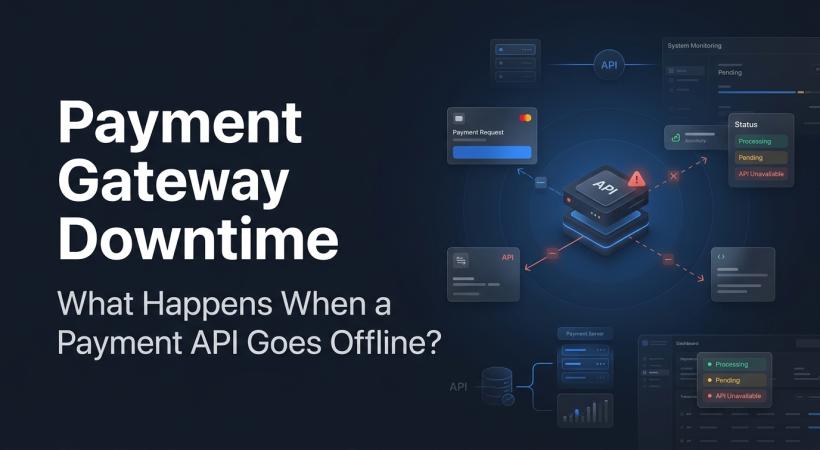
Payment Gateway Downtime: What Happens When a Payment API Goes Offline? (Complete Guide for Nepal Businesses)
In today’s digital economy, businesses rely heavily on payment gateways to process online transactions. From eCommerce stores to SaaS platforms, real-time payments are critical for maintaining smooth customer experiences.
But what happens when a payment gateway API goes offline?
Payment gateway downtime can disrupt transactions, reduce revenue, and damage customer trust. For businesses in Nepal that rely on digital payments, understanding how downtime works—and how to prepare for it—is essential.
This guide explains payment gateway downtime, its causes, real-world impact, and strategies businesses can use to minimize risk.
> What Is Payment Gateway Downtime?
Payment gateway downtime occurs when the payment processing system becomes temporarily unavailable due to technical failures, network disruptions, or infrastructure maintenance.
During downtime:
• Customers may not be able to complete payments
• Payment pages may fail to load
• API requests may return errors
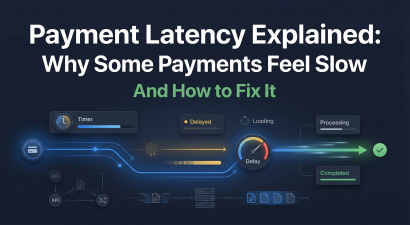
• Transactions may remain in pending status
Payment downtime affects both merchants and customers and can quickly lead to lost sales if not handled properly.
> Why Payment APIs Sometimes Go Offline?
Even the most advanced payment systems occasionally experience interruptions. Several factors can cause a payment gateway API to go offline.
1. Server Infrastructure Issues
Payment gateways depend on high-performance servers and cloud infrastructure. Hardware failures or misconfigured servers can interrupt transaction processing.
2. Network Connectivity Problems
Payment systems rely on stable internet connections between multiple components:
• Merchant website
• Payment gateway servers
• Banking networks
A disruption at any layer can cause downtime.
3. Banking Network Maintenance
In Nepal, payment systems interact with banking infrastructure regulated by Nepal Rastra Bank. Scheduled maintenance or updates within banking networks can temporarily interrupt payment services.
4. Security Incidents
If suspicious activity is detected, payment systems may temporarily suspend services to protect users and prevent fraud.
5. Software Updates and System Upgrades
Payment providers regularly deploy updates to improve performance and security. Some updates require short maintenance windows.
> How Payment Downtime Affects Online Businesses
Payment interruptions can impact businesses in several ways.
- Lost Sales
Customers may abandon their purchase if the payment page fails to load or transactions are declined.
- Customer Frustration
Repeated payment errors create poor user experiences and reduce trust in the merchant platform.
- Operational Confusion
Pending transactions may require manual verification or reconciliation.
- Reduced Conversion Rates
Even short disruptions can lead to measurable declines in checkout conversion rates.
> Payment Downtime in Nepal’s Digital Payment Ecosystem
Nepal’s digital payment environment includes several key platforms:
• Fonepay
• eSewa
• Khalti
• IME Pay
These systems rely on real-time API communication between banks, wallets, and merchant platforms.
While payment providers strive for extremely high uptime, occasional service disruptions can occur due to infrastructure or network dependencies.
> What Happens to Transactions During Downtime?
When a payment gateway experiences downtime, transactions may fall into several states:
- Pending Transactions
A payment may be initiated but not confirmed immediately.
- Failed Transactions
The system may reject the payment if the gateway cannot communicate with the bank.
- Delayed Confirmation
Sometimes the payment is successful, but confirmation reaches the merchant server later through callbacks or webhooks.
This is why reliable payment notification systems and reconciliation processes are important.
> How Payment Providers Reduce Downtime
Professional payment gateways use several strategies to ensure high reliability.
- High-Availability Infrastructure
Multiple server clusters operate simultaneously to prevent single points of failure.
- Load Balancing
Traffic is distributed across multiple systems to avoid overload during peak demand.
- Redundant Network Connections
Backup network routes maintain connectivity if one network fails.
- Continuous Monitoring
Payment providers monitor systems 24/7 to detect and resolve issues quickly.
> Best Practices for Businesses to Handle Payment Downtime
Even though downtime is rare, businesses should prepare for it.
- Offer Multiple Payment Methods
Allow customers to choose from wallets, bank payments, or QR options to reduce dependency on a single payment channel.
- Implement Proper Error Messaging
If a payment fails, show clear instructions instead of generic error messages.
- Use Payment Webhooks
Webhook notifications ensure that transaction updates are received even if the user leaves the payment page.
- Monitor Payment Success Rate
Regular monitoring helps businesses detect problems quickly.
- Keep Transaction Logs
Logs allow merchants to verify and reconcile transactions after service disruptions.
> Importance of Payment Gateway Uptime
Payment reliability is one of the most important factors when selecting a payment provider.
High uptime ensures:
• Stable checkout experiences
• Reduced transaction failures
• Higher customer trust
• Better revenue consistency
Most professional payment gateways aim for 99.9% uptime or higher.
> Future Improvements in Payment Reliability
As Nepal’s fintech ecosystem grows, payment infrastructure is becoming more resilient.
Expected improvements include:
• Advanced cloud-based infrastructure
• Improved banking network integration
• Real-time system monitoring
• Enhanced fraud prevention technologies
These developments will further reduce the likelihood of payment disruptions.
> Final Conclusion
Payment gateway downtime can disrupt transactions, frustrate customers, and reduce sales. However, modern payment systems use advanced infrastructure and monitoring to maintain high reliability.
For businesses in Nepal, choosing a reliable payment provider and implementing strong technical safeguards such as webhook notifications and transaction monitoring can significantly reduce the impact of temporary service interruptions.
As Nepal’s digital payment ecosystem continues to grow, reliable payment APIs will remain essential for enabling secure and seamless online commerce.