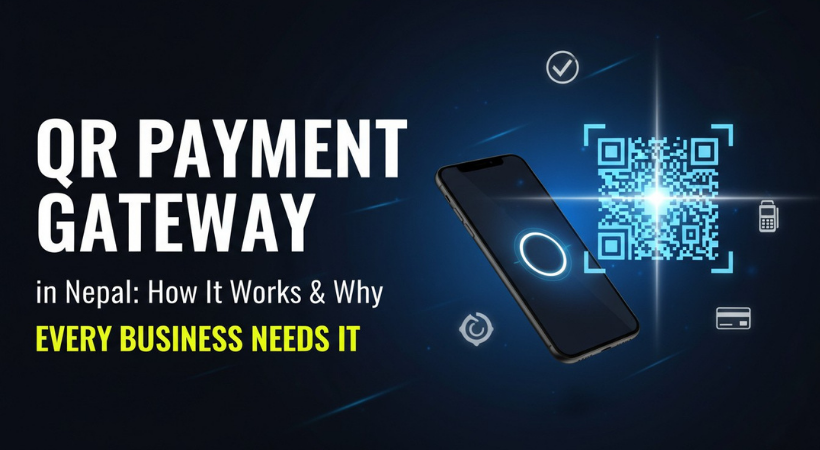
QR Payment Gateway in Nepal: How It Works & Why Every Business Needs It
The demand for a QR payment gateway in Nepal is growing rapidly as businesses move toward faster, contactless, and mobile-first payment solutions.
From retail stores and restaurants to eCommerce platforms and service providers, QR payments have become one of the most trusted and convenient digital payment methods in Nepal.
If you are planning to implement a QR payment system in Nepal, this guide explains how it works, how Fonepay QR integration functions, and why businesses are shifting toward unified QR payment solutions such as ApiNepal.
> What Is a QR Payment Gateway?
A QR payment gateway allows customers to scan a QR code using a digital wallet or mobile banking application to complete payment instantly.
Instead of entering card details or account numbers, the process is simple:
1. Customer opens wallet app (eSewa, Khalti, IME Pay, or mobile banking)
2. Scans the QR code
3. Confirms payment
4. Merchant receives instant confirmation
This system is a key part of the growing digital QR payment ecosystem in Nepal.
> How QR Payment System in Nepal Works?
Understanding the QR payment system helps businesses integrate it correctly.
Step 1:
• QR Code Generation
The merchant generates either:
• Static QR (fixed code for all transactions)
Dynamic QR (unique code for specific transaction amount)
Step 2: Customer Scan
Customer scans the QR using wallet or banking app.
Step 3: Payment Authorization
Customer confirms transaction securely.
Step 4: Instant Notification
Merchant receives payment confirmation through dashboard or API callback.
This streamlined flow reduces friction and improves transaction success rates.
> Why QR Payment Gateway in Nepal Is Growing?
The adoption of QR payment systems in Nepal is increasing due to:
• Rapid smartphone penetration
• Increased trust in digital wallets
• Faster checkout experience
• Contactless payment preference
• Low hardware requirement
• Easy merchant onboarding
Customers now expect businesses to support QR-based payments.
Businesses that fail to adopt QR systems risk losing digitally active customers.
> Fonepay QR Integration Explained
Fonepay QR is one of the most widely used QR payment networks in Nepal. It connects merchants with multiple banks and wallet providers.
Benefits of Fonepay QR Integration:
• Wide merchant acceptance
• Bank-backed infrastructure
• Easy QR setup for retail stores
• Strong presence in physical outlets
• Fast payment confirmation
For offline businesses, Fonepay QR integration is often the first step toward digital transformation.
However, businesses operating both online and offline may require a broader QR payment gateway solution that includes API integration.
> Static QR vs Dynamic QR Payment
- Static QR
• One fixed QR code
• Merchant manually enters amount
• Suitable for small shops
- Dynamic QR
• Auto-generated per transaction
• Secure and trackable
• Better for POS and eCommerce
• Simplifies reconciliation
For scalable businesses, dynamic QR payment gateways are recommended.
> QR Payment Gateway for Online Businesses
QR payments are not limited to physical stores.
Modern QR payment gateways in Nepal support:
• Online dynamic QR generation
• API-based transaction verification
• Real-time order confirmation
• Integrated checkout flows
This makes QR suitable for:
• eCommerce websites
• Ticket booking systems
• Educational platforms
• Subscription services
• SaaS applications
> Challenges of Separate QR & Wallet Integrations•
When businesses integrate:
• Fonepay QR
• eSewa
• Khalti
• IME Pay
Separately, they face:
• Multiple dashboards
• Different settlement processes
• Separate API documentation
• Increased maintenance cost
• Complex reconciliation
This creates operational inefficiency over time.
> Unified QR Payment Gateway Solution
A multi-wallet QR payment gateway in Nepal allows businesses to integrate QR and wallet payments through a single API.
Benefits include:
• Centralized transaction monitoring
• Unified settlement reporting
• Simplified technical implementation
• Reduced long-term maintenance
• Improved payment success rate
> How ApiNepal Simplifies QR Payment Gateway Integration
ApiNepal provides a unified payment gateway that supports:
• Fonepay QR integration
• eSewa wallet payments
• Khalti integration
• IME Pay support
All through one centralized system.
Key Advantages:
✔ Single API integration
✔ Real-time dashboard
✔ Dynamic QR generation
✔ Secure transaction verification
✔ Simplified settlement tracking
✔ Scalable infrastructure
Instead of managing QR and wallet APIs separately, businesses integrate once and activate multiple payment options.
This approach is ideal for:
• Growing startups
• Multi-location retailers
• Hybrid online-offline businesses
• High-volume merchants
> Benefits of Digital QR Payment for Businesses in Nepal
• Faster checkout process
• Contactless transactions
• Reduced cash handling risks
• Lower infrastructure costs
• Improved customer satisfaction
• Higher transaction accuracy
• Strong mobile-first compatibility
QR payment gateways are becoming foundational to Nepal’s digital payment infrastructure.
> Who Should Use a QR Payment Gateway?
A QR payment gateway in Nepal is essential for:
• Retail stores
• Restaurants and cafes
• Supermarkets
• eCommerce platforms
• Travel agencies
• Educational institutions
• Subscription-based services
If your customers use smartphones, supporting QR payment is no longer optional.
Frequently Asked Questions (FAQ)
> What is the best QR payment gateway in Nepal?
The best QR payment gateway supports multiple wallets, secure API integration, real-time monitoring, and scalable infrastructure. Unified solutions simplify QR and wallet management.
> Is Fonepay QR enough for online businesses?
Fonepay QR is excellent for retail stores. Online businesses often require additional API-based wallet integration for full checkout functionality.
> How do I integrate a QR payment gateway in Nepal?
Register as a merchant, obtain QR credentials, integrate API if needed, test transactions, and go live. Using a unified payment gateway simplifies this process.
> Are QR payments secure?
Yes. QR payments are encrypted and processed through verified wallet and banking networks.
Final Thoughts
The growth of the QR payment gateΩay in Nepal reflects a major shift toward digital-first payment systems.
Businesses that implement a QR payment system gain faster checkout, improved transaction reliability, and enhanced customer experience.
While Fonepay QR integration is a strong starting point, combining QR and wallet payments through a unified solution like ApiNepal creates a scalable and future-ready payment infrastructure.
For long-term growth and competitive advantage, adopting a robust QR payment gateway is a strategic move for any business operating in Nepal.