How to Integrate a Payment Gateway API in Nepal (Step-by-Step Guide)
If you're building a website, SaaS platform, mobile app, or eCommerce store in Nepal, you’ll eventually need to integrate a payment gateway API in Nepal.
Whether you want to integrate the eSewa API, Khalti API, or support Fonepay QR payments, understanding how payment API integration works is critical for smooth and secure transactions.
This step-by-step guide explains:
• How payment gateway APIs work
• How to integrate eSewa API
• How Khalti API integration works
• Common developer challenges
• Why using a unified API like ApiNepal simplifies everything
> What Is a Payment Gateway API?
A payment gateway API allows your application to securely communicate with a payment provider’s server to process transactions.
It typically handles:
• Payment initiation
• Transaction verification
• Callback response
• Payment confirmation
• Refund processing
In Nepal, developers commonly search for:
• payment gateway API Nepal
• integrate eSewa API
• Khalti API integration guide
• Nepal payment API documentation
Understanding how APIs work reduces failed transactions and security risks.
> Basic Flow of Payment Gateway API Integration
Most payment APIs follow this general workflow:
Step 1: User Initiates Payment
Customer clicks “Pay Now” on your website or app.
Step 2: API Request Is Sent
Your server sends payment details (amount, order ID, callback URL) to the payment gateway.
Step 3: User Is Redirected
Customer completes payment through wallet or QR system.
Step 4: Payment Verification
Gateway sends a response to your callback URL.
Step 5: Transaction Confirmation
Your system verifies payment status and updates order.
This flow is similar across eSewa API integration, Khalti API integration, and other wallet-based systems.
> How to Integrate eSewa API in Nepal
To integrate eSewa API:
• Register as a merchant
• Obtain secret key
• Configure success and failure callback URLs
• Generate signed payment request
• Verify transaction using server-side validation
eSewa ePay typically requires checksum validation to ensure transaction authenticity.
Common developer challenges:
• Signature generation errors
• Callback URL misconfiguration
• Incorrect hash verification
Always verify payment on server side — never trust client-side success response.
> Khalti API Integration Guide
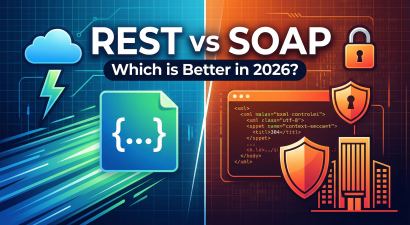
Khalti API is developer-friendly and REST-based.
Steps for Khalti API integration:
• Create merchant account
• Obtain public key & secret key
• Generate payment token from frontend
• Send token to backend
• Verify transaction using secret key
Khalti supports sandbox testing for safe integration before going live.
Common issues developers face:
• Incorrect secret key usage
• Payment verification skipped
• Improper error handling
Always validate transaction status using backend verification endpoint.
> Integrating Fonepay QR Payments
Fonepay integration is often QR-based.
- Typical steps include:
• Merchant registration through bank
• QR code generation
• Customer scans QR
• Bank processes transaction
• Settlement confirmation
For online API-based systems, additional integration may be required through authorized partners.
> Challenges of Integrating Wallets Separately
If you integrate:
• eSewa API
• Khalti API
• IME Pay API
• Fonepay QR
Separately, you must:
• Maintain multiple API docs
• Handle different authentication methods
• Manage different callback formats
• Track settlements across dashboards
• Maintain separate security logic
This increases development time and long-term maintenance complexity.
> The Smarter Approach: Unified Payment Gateway API
Instead of integrating each wallet separately, developers can use a unified multi-wallet payment gateway API in Nepal.
This allows:
• Single integration
• Centralized transaction monitoring
• Unified callback handling
• Simplified reconciliation
• Lower maintenance overhead
> How ApiNepal Simplifies Payment API Integration
ApiNepal provides a centralized API that supports:
• eSewa integration
• Khalti integration
• IME Pay
• Fonepay QR
All through one integration.
Benefits for Developers:
✔ Single API documentation
✔ Consistent authentication model
✔ Unified callback structure
✔ Centralized transaction dashboard
✔ Reduced integration time
✔ Scalable infrastructure
Instead of managing multiple wallet APIs, you integrate once and enable multiple payment methods.
This is especially valuable for:
• SaaS startups
• Marketplaces
• Subscription platforms
• eCommerce stores
• Ticket booking systems
> Security Best Practices for Payment API Integration
When integrating any payment gateway API in Nepal, follow these practices:
• Use server-side verification
• Store API keys securely
• Never expose secret keys in frontend
• Validate callback data
• Log transactions for audit
• Use HTTPS for all requests
Security mistakes can lead to financial loss and system vulnerabilities.
> Testing Before Going Live
Before launching production payments:
• Use sandbox environment
• Test success and failure scenarios
• Simulate invalid signature attempts
• Verify refund flows
• Confirm settlement process
Never go live without proper testing.
Frequently Asked Questions (FAQ)
> What is the easiest payment gateway API to integrate in Nepal?
Most wallet APIs provide documentation, but managing multiple integrations increases complexity. A unified API like ApiNepal simplifies development.
> Can I integrate multiple wallets in one API?
Yes. Using a multi-wallet payment gateway allows integration of eSewa, Khalti, and Fonepay through one centralized system.
> Is server-side verification necessary?
Yes. Always verify transactions server-side to prevent fraud and fake confirmations.
> How long does payment gateway integration take?
Basic API integration can take a few days depending on documentation clarity and developer experience.
Final Thoughts
Integrating a payment gateway API in Nepal is essential for any online business or startup.
While you can integrate eSewa API, Khalti API, and Fonepay QR separately, managing them individually increases complexity and maintenance cost.
For developers and startups looking for a scalable and efficient solution, using a unified API like ApiNepal reduces integration time, simplifies architecture, and improves transaction reliability.
If you are building a platform and want seamless payment integration, choosing the right API structure from the beginning will save you months of technical debt later.